

Health Benefits
Wholegrain rye is naturally rich in fiber, minerals and a wide variety of plant compounds. Together with long sourdough fermentation, it creates a bread that is satisfying, flavourful and often easier to digest than many quickly made commercial breads. Rye breads are also well known for promoting long-lasting satiety, making them an excellent choice for breakfast or lunch.
Beetroot contributes naturally occurring nitrates, betalain pigments and antioxidants, while walnuts provide healthy unsaturated fats, plant protein and omega-3 fatty acids. Combined with traditional sourdough fermentation, these ingredients create a wholesome loaf made from simple foods rather than unnecessary additives.
Plant count: 8 🌱

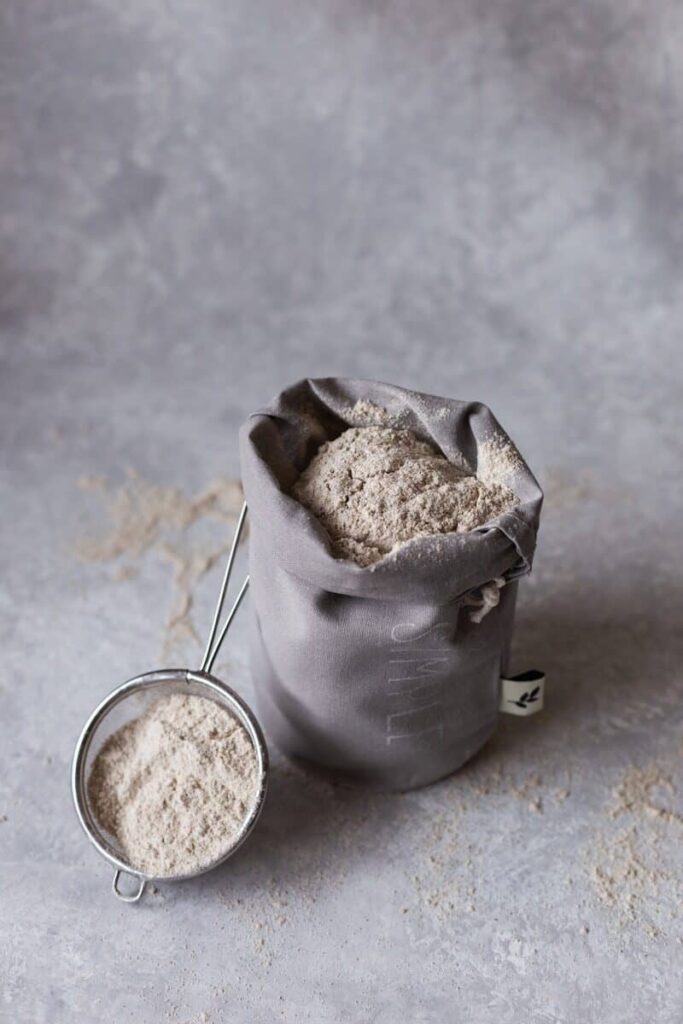
A Closer Look at Key Ingredients
- Naturally ferments the dough using wild yeasts and lactic acid bacteria
- May improve flavour complexity
- Helps create excellent keeping quality
- Contributes to traditional bread making without commercial improvers
- Rich in dietary fiber that supports digestive health
- Provides magnesium, phosphorus and manganese
- Contains naturally occurring polyphenols and lignans
- Promotes long-lasting satiety compared with many refined flours
- Provides complex carbohydrates for sustained energy
- Contributes protein that helps build bread structure
- Contains B vitamins and important minerals
- Adds a lighter texture while remaining rich in nutrients
- Rich in naturally occurring nitrates
- Contains betalain pigments with antioxidant properties
- Adds moisture and a subtle earthy sweetness
- Creates a naturally colourful loaf without artificial colouring
- Rich in omega-3 fatty acids
- Provide healthy unsaturated fats
- Contain vitamin E and magnesium
- Add crunch, flavor and plant protein
Healthy bread begins with simple ingredients and plenty of patience.
Your Healthy Day
Pro Tips
- Refresh your sourdough starter one or two times before baking to encourage strong fermentation and a milder flavour.
- Use freshly pressed beetroot juice if possible for the brightest colour and best flavour.
- Allow the dough plenty of fermentation time rather than rushing the process.
- Wait until the loaf has cooled completely before slicing to preserve its crumb.
- Bake one large loaf at the weekend and enjoy naturally fermented bread throughout the week.
Did You Know?
Wholegrain rye is one of the richest cereal grains in dietary fiber and contains unique compounds called lignans and arabinoxylans. These naturally occurring substances have been studied for their role in digestive health, blood sugar regulation and long-lasting satiety. Compared with refined white breads, wholegrain rye bread often keeps people feeling full for longer after eating .
Natural sourdough fermentation is much more than simply making bread rise. During fermentation, wild yeasts and lactic acid bacteria gradually transform the dough, producing organic acids and hundreds of flavour compounds. This slow process contributes to the bread’s characteristic aroma, longer shelf life and unique texture. Some studies also suggest that sourdough fermentation may improve mineral availability by reducing naturally occurring phytates in whole grains.
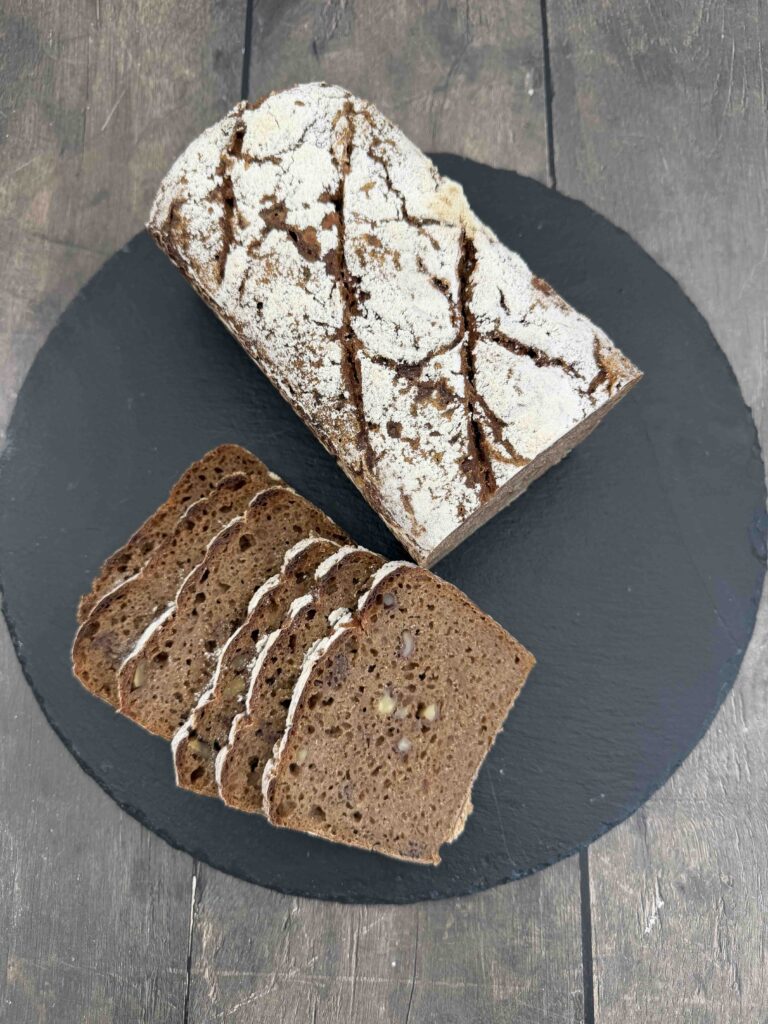
Wholegrain Rye Sourdough with Beetroot Juice & Walnuts
Ingredients
For the Dough
- 350 g wholegrain rye flour
- 100 g wholegrain wheat flour
- 50 g wholegrain spelt flour
- 15 g active rye sourdough starter
- 320 ml beetroot juice
- 8–10 g salt
- 80–100 g walnuts roughly chopped (optional)
Instructions
- Refresh your sourdough starter until it is active and bubbly (1-2 days before). Mix it with the beetroot juice, then add the wholegrain rye, wheat and spelt flours to form a uniform dough.
- Cover and let the dough rest for about 30–45 minutes. Add the salt and walnuts (if using), then mix until everything is evenly incorporated.
- Cover the dough and leave it to ferment at room temperature for about 10–12 hours, or until it has visibly expanded.
- Shape the dough into a loaf, place it into a well-floured banneton or loaf tin, cover, and let it proof for another 10–12 hours.
- Preheat the oven to 240°C with a Dutch oven or baking stone. Carefully transfer the dough, score the top, and bake with the lid on (or with steam) for about 20 minutes.
- Remove the lid (or steam), reduce the temperature to 220°C if needed, and bake for another 30–35 minutes until the crust is deeply browned.
- Allow the bread to cool completely on a wire rack before slicing. This helps the crumb finish setting and gives the best texture.