

Start Your Healthy Day
Make one meal or snack today a little more fiber-friendly — but keep it gentle.
Pick one:
- add one small portion of fruit
- add one extra vegetable to a meal
- swap one refined grain for a more wholegrain one
- add a spoonful of oats, chia, or flax
- add a small portion of beans or lentils, not a large one
- choose cooked vegetables instead of raw if they feel easier
- drink a glass of water with the meal
A gentler step is often the better one to start with.
1. More fiber is not always better overnight
Fiber is one of the most useful things you can eat more of, but the gut usually needs time to adapt. A sudden increase can lead to more gas, bloating, cramping, or changes in bowel habits, especially if your intake was quite low before. That is one reason increasing fiber gradually and paying attention to how your body responds is often the better approach.
In practice, it is often enough to add one or two fiber-rich foods first and let your gut settle before adding more.
2. Start with one change, not five
This part matters more than people often think. Many people do not get digestive discomfort because they added oats or broccoli. They get into trouble because they added oats, beans, chia seeds, raw vegetables, berries, and wholegrain bread in the same two days.
A much gentler approach is to start with one change. That could mean adding fruit to breakfast, swapping white bread for a more wholegrain one, or adding a small portion of lentils to dinner. Then keep that going for a few days before adding the next thing. A more gradual build usually works better than trying to change everything at once.
3. Cooked fiber is often easier than raw fiber
A gentler fiber approach does not always mean less fiber. Sometimes it just means a different form of it.
Cooked vegetables, soups, stews, porridge, or softer fruit can feel easier for some people than big raw salads, large amounts of bran, or lots of raw crunchy vegetables all at once. That does not make raw foods bad. It just means they are not always the easiest place to begin when your gut is already sensitive. The difference between soluble and insoluble fiber helps explain why.
4. Beans and lentils often go better in small amounts first
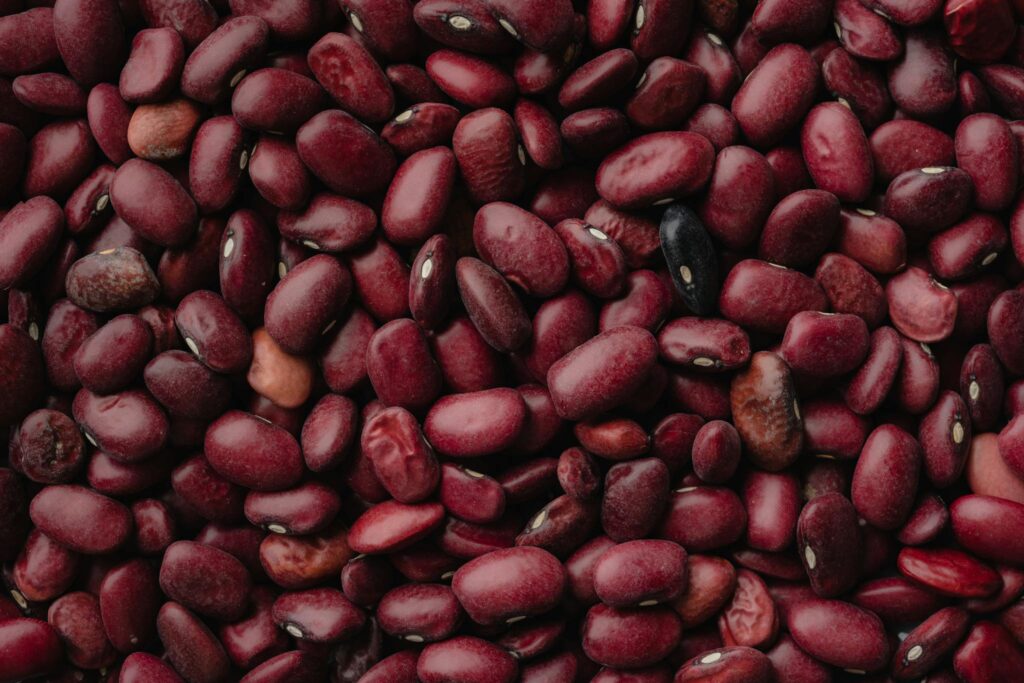
Beans and lentils are some of the best foods for gut health, but they are also some of the foods most likely to cause bloating or digestive discomfort when you are not used to them yet.
The best place to begin is usually a small portion. That might mean a few spoonfuls of lentils in a soup, a small serving of beans in a wrap, or half a portion added to something you already eat. Some people also tolerate canned beans a little better when they are drained and rinsed, because some of the FODMAPs linked with gas and bloating are water-soluble and can move into the liquid.
For more on that side, have a look at Why Beans Are One of the Best Gut-Friendly Foods and Why Lentils Are One of the Most Underrated Gut-Friendly Foods.
5. Drink enough when you increase fiber
This one is simple, but important. Fiber usually works better when there is enough fluid alongside it. That is one reason so often, when people are told to eat more fiber, they are also told to drink enough.
If you add more fiber but do not drink enough, your gut may feel more uncomfortable, and constipation can become more likely. That does not mean you need to drink huge quantities. It usually just means being a bit more aware of drinking regularly through the day, especially with more whole grains, legumes, seeds, or bran-heavy foods.
6. Different types of fiber can feel different
Not every fiber-rich food feels the same in the gut. Some foods are more gas-forming. Some are softer and easier. Some are rich in soluble fiber, while others are rougher and bulkier.
That is one reason it helps to notice your own response instead of assuming all fiber works the same way. Oats, kiwis, chia, cooked vegetables, softer fruits, and small servings of legumes may feel easier for some people than very large salads, big bran jumps, or lots of beans at once.
7. Whole grains help, but you do not need to change everything at once
Whole grains are useful, but they do not need to replace every refined grain overnight.
Sometimes the easiest start is one swap: one more wholegrain bread, one portion of oats, one grain bowl with barley, or one meal with wholegrain rice. That is often enough to begin with. You do not need to prove anything to your gut by turning every meal into a fiber challenge.
For more on that side, How to Build a More Gut-Friendly Plate and 12 Gut-Friendly Foods Worth Keeping in Your Kitchen both take that further.

8. A gentler meal often works better than a “perfect” one
This is one of the biggest mindset shifts that helps. A gut-friendly meal does not need to contain every good thing at once.
Some meals will be softer. Some will be simpler. Some will include cooked vegetables instead of raw ones. Some will have only a small serving of legumes. Some will lean more on oats, potatoes, rice, fruit, lentils, or fermented food. The point is not perfection. It is building a way of eating that supports your gut and feels realistic enough to come back to day after day.
9. Movement can help too
Food is not the whole story here. Gentle movement can help digestion feel smoother too, especially when your gut feels slow, bloated, or heavy.
That does not need to mean hard training. A short walk, a bit of movement after meals, or just sitting less through the day can already help digestion and bowel regularity.
For more on that side, have a look at How Movement Supports Gut Health: What Actually Helps.
10. If your gut is very sensitive, slower is smarter
Some people can increase fiber quickly and feel fine. Others really do need a much slower build.
If your gut tends to react strongly, it is often better to go one step smaller than you think you need. Use cooked vegetables first. Add only a small amount of legumes. Keep portions moderate. Stay with a change long enough to see how it feels. Then build from there.
That is not a setback. It is usually the better strategy.
Go more in depth
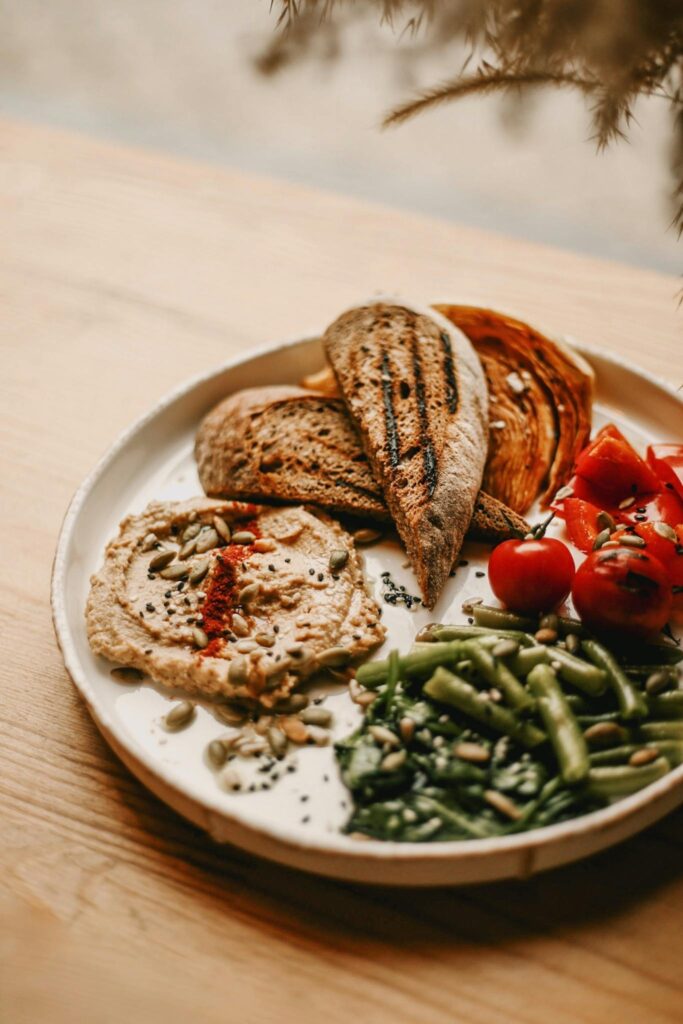
If you want to take this further, How to Eat More Fiber Without Overthinking It gives the bigger picture of how to build fiber more naturally into everyday meals, while How to Build a More Gut-Friendly Plate helps you put that into actual meal structure.
If you want a more practical list of the foods worth keeping around, 12 Gut-Friendly Foods Worth Keeping in Your Kitchen is a useful next step too.
Gut-friendly recipes to try

The bottom line
Eating more fiber without digestive discomfort usually comes down to a few simple things: increase it gradually, drink enough, start with gentler foods, and avoid changing everything at once. If your gut is sensitive, smaller steps are often the smarter ones.
The goal is not to force your way to more fiber. It is to help your gut adjust well enough that more fiber becomes something you can actually keep doing day after day, in a way that feels right for your own body.