

Fermented foods have been part of human diets for thousands of years, first as a way to preserve food and shape flavor, and now also as a topic of modern health research. They can be useful, but they are not all the same, and it helps to know what they can and cannot do.
1. What fermented foods actually are
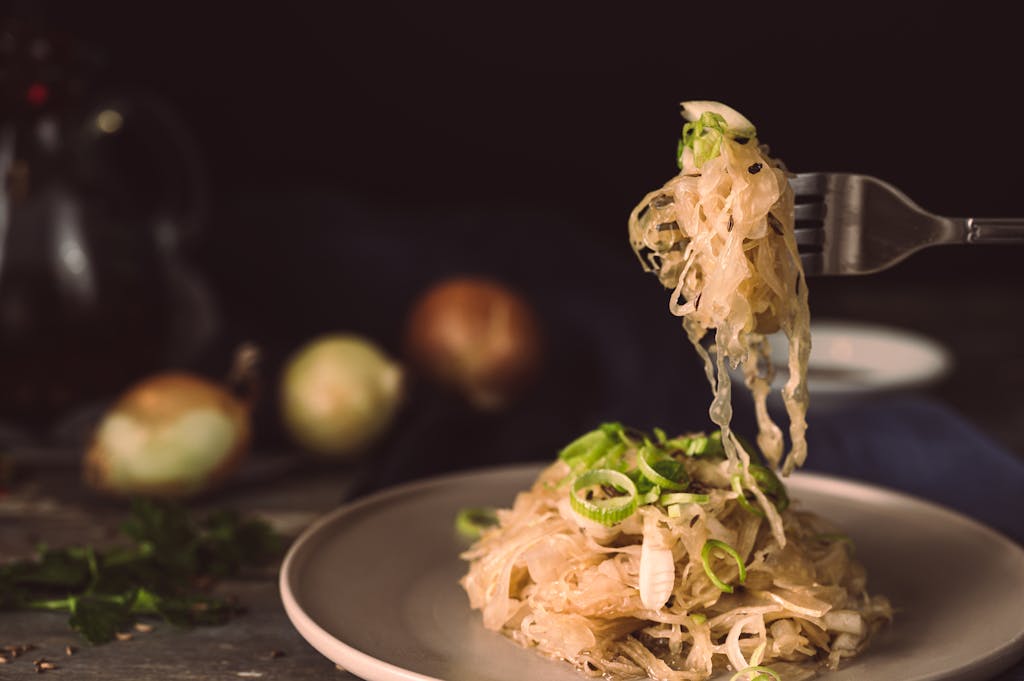
Fermentation happens when microbes like bacteria or yeast change parts of a food, usually sugars or starches, into acids, gases, alcohol, or other compounds. That is what gives foods like yogurt, kefir, kimchi, sauerkraut, sourdough, miso, and tempeh their distinct taste, texture, and shelf life. Some fermented foods are made with established starter cultures. Others rely more on naturally present microbes.
One important thing to know is that fermented foods are not automatically probiotics. Some still contain live microbes when you eat them, while others do not. And even when live microbes are present, they do not count as probiotics unless they have been shown to provide a health benefit in adequate amounts.
2. What they may actually help with
A diet high in fermented foods increased microbiome diversity and lowered multiple inflammatory markers over a 10-week intervention.
Depending on the food, fermented foods may also improve digestibility, create useful acids and other fermentation products, and increase the availability of some nutrients or bioactive compounds.
3. This is where it helps to stay realistic
Not every product sold as gut-friendly is meaningfully fermented or rich in live cultures.
Fermented foods are usually most useful as part of a broader way of eating, not as the whole solution. They work especially well alongside fiber-rich foods, which help feed the gut microbiome and support digestion. If you want to take that a little further, 10 Simple Ways to Make Your Meals More Gut Friendly (Internal link: 10 Simple Ways to Make Your Meals More Gut Friendly) and How to Eat More Fiber Without Overthinking It (Internal link: How to Eat More Fiber Without Overthinking It) both share more simple, everyday ways to support your gut.
4. Do they need to be raw or full of live cultures?
Not always. Live microbes may matter in some fermented foods, but they are not the whole story. Fermentation can also create acids, peptides, and other microbial byproducts that may still be useful even when the microbes are no longer alive. Some of those compounds may still have health-promoting effects even without live microbes.
So the answer is not simply raw equals good and pasteurised equals useless. Yogurt or kefir may bring live cultures, while foods like sourdough still go through fermentation even though the live microbes do not survive baking. Both can still offer some benefits, just not always in exactly the same way.
5. Who should be a bit more careful
Fermented foods are often a very healthy addition to meals. Plain yogurt, kefir, traditionally made sauerkraut, kimchi, tempeh, or real sourdough can all bring something valuable, whether that is live cultures, better digestibility, or simply more interesting flavor.
That said, tolerance still depends on the food, how it was made, and the person eating it. If you have a very sensitive gut, histamine issues, certain digestive conditions, or simply feel worse with strongly fermented foods, that matters. If you are immunocompromised, have significant medical issues, or are unsure how these foods fit your situation, it is worth checking with your healthcare team.
6. How to use them in real life
Fermented foods do not need to be complicated or extreme to be useful. A plain yogurt or kefir, a nice sourdough bread, a spoonful of sauerkraut next to a meal, or a little miso in a soup can already be a good place to start.
When buying fermented foods, it is worth keeping the basics in mind. Look for options with simple ingredients, less added sugar, and as few unnecessary additives as possible. And when it fits your life, homemade or more traditionally made versions can be a great option too.

7. A few fermented foods worth knowing
- Yogurt and kefir are often the easiest starting point because they are familiar, widely available, and commonly contain live cultures.
- Sauerkraut and kimchi can work well as small, sharp sides rather than foods you need a huge portion of.
- Miso is useful because it brings fermented flavor to soups, dressings, or glazes.
- Tempeh is a great option if you want something more substantial and meal-like.
- Sourdough is still a fermented food, even though it is not there for live microbes after baking.
- Kombucha can be an interesting option if you enjoy fermented drinks, though it is worth checking the sugar content.
You do not need all of them. One or two that fit your routine is enough.
Fermented-food recipes to try


Try this today
ick one fermented food that feels easy to start with.
That could be yogurt at breakfast, a glass of kefir, a little sauerkraut beside lunch, kimchi with a rice dish, or miso in a soup. Keep the portion small and let it be part of a normal meal.
One simple, repeatable use is enough to start with.
The bottom line
Fermented foods can be a genuinely useful part of a healthy diet. They may help support gut microbiome diversity, they can bring interesting flavors and textures, and they fit well into a broader way of eating that supports digestion and overall health.
The best way to use fermented foods is usually the simplest one: small amounts, foods you actually like, and a way of using them that feels easy to keep.
The best way to use fermented foods is usually the simplest one: small amounts, foods you actually like, and no pressure to turn them into a project.