

Gut health is not so complicated. For most people, it comes down to simple things: a little more fiber, a little more variety, and meals that feel good to eat and easy to keep. Here are a few simple ways to support that.
1. Start with a little more fiber
That could be pumpkin in a curry, aubergine added to a tomato pasta sauce, oats with fruit and seeds at breakfast, a small side salad with lunch or dinner, or a spoonful of chia or flax seeds mixed into yogurt or a smoothie.
Fiber matters because it helps digestion feel a little smoother and gives beneficial gut bacteria something to feed on. It also slows digestion in a helpful way, which can support steadier blood sugar and help you feel satisfied for longer.
If you want more practical ideas, How to Eat More Fiber Without Overthinking It goes deeper into simple ways to bring more fiber into everyday meals.
2. Add more plant variety
A very easy place to start is by adding more herbs and spices. They make food taste better and help add variety without much effort. Then try rotating your ingredients a bit more across the week. Instead of always using broccoli and carrots, you could try parsnips, peppers, cauliflower, beetroot, cabbage, or different leafy greens.
Different plant foods bring different types of fiber and plant compounds, which can help support a more diverse gut microbiome — something generally linked with better gut health.
3. Use beans and lentils more often
Add red lentils to a curry, fold white beans into a tomato sauce, top a salad with black beans, or mix cooked lentils into a soup or stew to make it more nourishing.
Beans and lentils are some of the easiest gut-friendly foods to build meals around. They bring fiber, plant protein, texture, and help make meals feel more filling and balanced. They are also linked with benefits beyond gut health, including heart and metabolic health.
If beans and lentils still feel a bit unfamiliar, Why Beans Are One of the Best Gut-Friendly Foods and Why Lentils Are One of the Most Underrated Gut-Friendly Foods go deeper into simple, everyday ways to use them more often.

4. Add fermented foods where they fit naturally
Foods like yogurt with live cultures, kefir, sauerkraut, kimchi, and some other fermented vegetables can be a useful extra in a gut-friendly way of eating. Some fermented foods may help gut health by adding live microbes that support a healthier gut environment.
They do not need to show up in large amounts to be helpful. Often, small amounts are enough when they fit naturally into meals you already enjoy.
If fermented foods are something you want to understand a bit better, Fermented Foods: Benefits, Limits, and How to Use Them goes deeper into what they can do, where they can be useful, and what to be aware of.
5. Build meals around simple, less processed foods
When meals are built from things like vegetables, legumes, grains, fruit, nuts, seeds, yogurt, and herbs, your gut tends to get more of what it needs. A gut-friendly meal does not need to be fancy. It might just be a baked potato with Greek yogurt and beans, a salad with herbs and seeds, quinoa with roasted vegetables, or sourdough bread with hummus and avocado.
Heavily processed meals tend to be lower in fiber and plant variety, and easier to eat quickly without much fullness or satisfaction. Diets higher in ultra-processed foods are also linked with a less healthy way of eating and may be linked with less favorable gut-related outcomes.
6. Build carbs into a more balanced meal
A lot of meals feel better when carbs are not eaten on their own, but paired with fiber, protein, fat, or all three.
Think of the difference between plain white toast and seeded toast with cottage cheese and tomato. Or a plain bowl of pasta with tomato sauce versus pasta with lentils, vegetables, olive oil, and parmesan. Or a pastry alone compared with yogurt, berries, and nuts alongside it.
Meals like that are often digested more gradually and may support steadier blood sugar responses. That can help a meal feel steadier and hold you a little better through the next few hours.
7. Small extras can do a lot
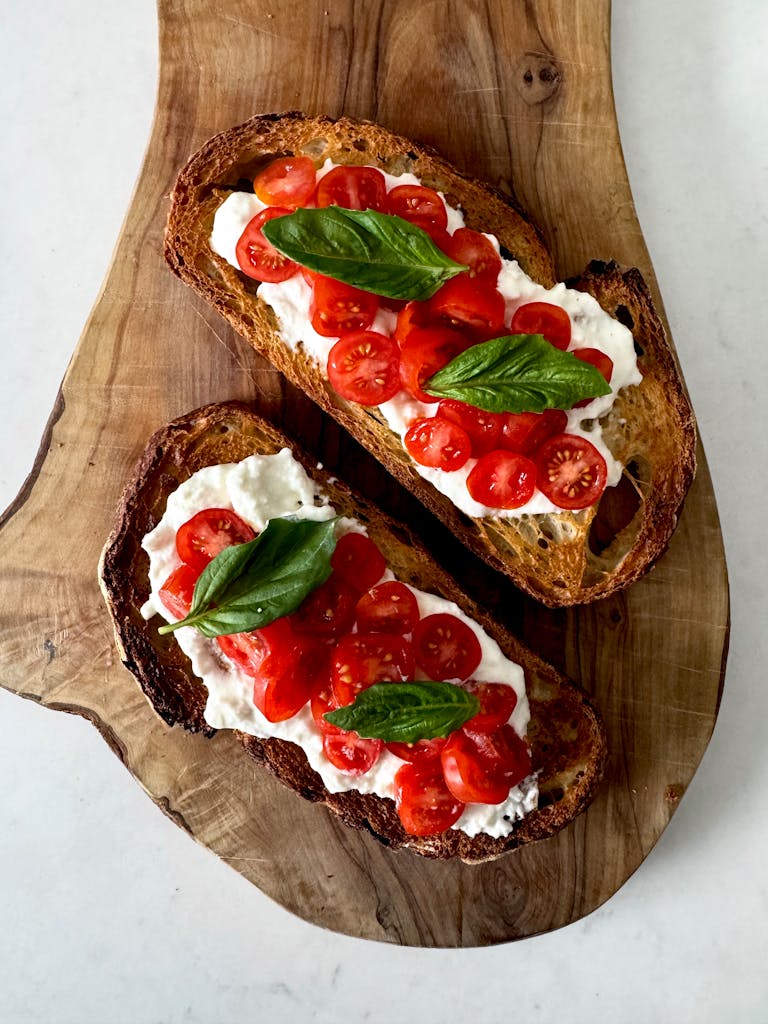
Some of the best gut-friendly upgrades are not major changes. They are the little extras that quietly make a meal better. Cinnamon on porridge, chopped nuts on yogurt, seeds over a salad, fresh herbs on soup, pumpkin seeds on roasted vegetables, or a little parsley, mint, or basil over a meal can all make a difference.
This is one of our favourite ways to support health in everyday life: not by chasing perfect meals, but by asking, what is one small thing I can add here?
8. Go slowly if your gut is sensitive
If your fiber intake goes up too quickly, your gut may react. Bloating, gas, or discomfort can happen, especially when legumes, large salads, or lots of raw vegetables all arrive at once.
That does not mean those foods are not right for you. Often, it simply means your gut needs time to adjust. Increasing fiber more gradually, while also drinking enough fluids, is commonly recommended to help reduce digestive discomfort.
So go gently. Add one new food at a time, increase portions slowly, and notice how you feel. Cook vegetables if they feel easier than raw ones, and start with smaller amounts of beans or lentils before building up.
9. Support your meals with a few simple habits
Things like eating in a constant rush, skipping meals and then overeating later, sitting all day, or not staying very hydrated can all make digestion feel less smooth. A few simple habits can already help.
A short walk after meals, sitting down to eat instead of always eating on the go, chewing a little more slowly, drinking enough water, moving your body regularly, and eating at roughly similar times when you can all make a difference.
Physical activity is also linked with better digestive function. Gut health is influenced by more than food alone. Physical activity, stress, sleep, and the overall rhythm of your day all play a role.
10. Aim for better, not perfect
Trying to make every meal gut-perfect usually leads to overthinking and pressure, and that often makes healthy habits harder to keep.
A much better question is: how can I make this meal a little more supportive?
The goal is not perfect meals. It is meals you can come back to again and again.
A few things to keep in mind
Gut-friendly does not look exactly the same for everyone.
Some people do well with more raw vegetables, while others prefer cooked ones. Some feel great with yogurt and kefir, while others do not tolerate them well. Some love beans right away, while others need a gentler start.
And if your gut symptoms are persistent, severe, or changing in a way that feels unusual, it is worth speaking with a qualified health professional. Food can help, but it is not always the whole answer.
Gut-friendly recipes to try



Try this today
Pick one meal you are already having today and make it just a little more gut-friendly.
Choose one small extra:
- add a spoonful of seeds
- add a handful of nuts
- put one extra vegetable on the plate
- stir in some beans or lentils
- add a small side salad
- have a piece of fruit or some raw vegetables as a snack
One kind, useful step is enough to begin with.
The bottom line
Making your meals more gut friendly does not need to be complicated or perfect. In most cases, it starts with simple things: more fiber, more plant variety, and a few helpful foods and habits that feel easy enough to repeat.
The goal is not to fix your gut with one superfood or one perfect routine. It is to build meals that feel a little more supportive and a little easier to come back to.
Healthy days are built one small choice at a time.